Sunday, February 12, 2006

Matchmaker, Matchmaker

Valentine’s Day ranks as one of my most hated holidays. Regardless of being in a relationship or not, the pressure around this day makes it always doomed to failure. If you are involved romantically, things never work out as hoped and somebody feels disappointed. If you are not in a relationship, you have an entire industry devoted to telling you what a loser you are for not being able to buy their greeting cards. It’s like New Year’s Eve. Everybody has such big hopes for it, but the actual day fails to live up to the hype more often than not.

Who am I, though, to fight the Hallmark juggernaut? In the spirit of the day, let me play cupid to some folk. These pairings might just prove the life-altering romance they have been looking to find.


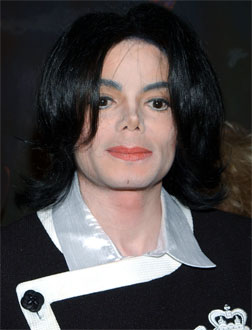
Clarence Thomas and Michael Jackson
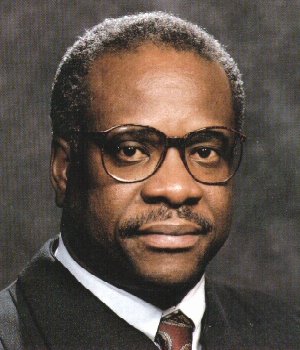


    &


    Both of you share many of the same personality traits. Each, in your own unique way, has shown that you have no concept of appropriate sexual behavior. You can spend hours talking about the problematic vision you have of sex and the resulting media circus it generated. Plus, you both seemingly dislike your racial group. Michael, I would bet that Clarence would love to know your skin-care techniques so he can look as white as he feels. Clarence, you can help Michael understand when his lawyers discuss his *cough* legal issues.


Dick Cheney and Freddie Kruger



    &


    At first glance, I know the two of you would be skeptical. Let’s be honest, though, neither of you can be choosy when it comes to looks.

    Both of you share the distinction of haunting young people’s nightmares. Plus, the two of you cheat death time and time again. Dick, I know you also want to put that ugliness over shooting your hunting buddy out of your mind. So, break open a bottle of champagne and get to know each other. You would be surprised at your similarities.

Ron Stoppable and Shaggy



    &


    Ron, when last we chatted, I advised coming out of the closet. Now that you have had time to process that, I think you can think about a relationship. I have the perfect guy for you. Give Shaggy a ring sometime. You are both teenagers, so it's all legal and stuff. He’s great and has a voice just like Casey Kasem.

    Both of you love animals. You both once used humor and goofiness to initially hide your real sexuality. It’s time, though, to put aside the childish antics and open yourselves to true love.

Harriet Miers and Eddie Haskell


    &


    Oh, Harriet, how quickly most people forgot about you. It smarts, doesn’t it, when your total lack of qualifications keeps you from getting your dream job? Don’t despair. Romance can be yours with your new soul-mate: Eddie Haskell

    Yes, the two of you share an ability to praise anybody with hollowness. Eddie knew that it doesn’t cost anything to toss out pretty words. You shrewdly knew that you could get somewhere by complementing the most dim-witted man to ever sit in the Oval Office. With a straight-face, you managed to actually say he was “smart!” Well, we think it was a straight-face. It’s kinda hard to tell with all the makeup.

    Which reminds me, Harriet, your sexuality has long been the subject of speculation. If men aren’t your thing, I also considered Tammy Faye Baker for you. I just wasn’t sure if your mutual love of blue eye-shadow and cheap mascara would be enough to hold the two of you together.

Mr. Clean and the Gold’s Gym Guy



    &


    For too long, both of you have hid in the closet. ¡Ya Basta! Admit your deep desire for hot-loving-man-on-man action and be done with it. The two of you can’t keep anonymously cruising the bathhouses forever!

    Look deeper and you will find that the two of you are perfect for each other. The two of you do the same type of job seeing how you are both in advertising (literally).

    Both of you clearly enjoy working-out in your spare time. Why, Mr. Clean, I bet Goldie could even get you a free gym membership! Plus, Goldie, your house will always be neat and tidy. You can exchange hair shaving secrets and wear each other’s clothes.

George W. Bush and Bonzo the Chimp



    &


    Yeah, there are the obvious similarities between the two of you: roughly the same i.q.; the same facial expressions; and problems with mastering basic tools. Both of you know how hard it can be to communicate without actual words, always having to rely on grunts and groans.

    The links go so much deeper, though! Both of you spent plenty of time with Ronald Reagan. They suggest that when you have friends in common, you can build a strong relationship. True, we can’t really characterize either of your relationships with Reagan as friendship. I also know that you had a falling out with Reagan when you had an “accident” on his carpet. It’s okay, Reagan got upset with Bonzo for the same thing.

    I could guess, also, that both of you were drugged up most of the time you spent with Reagan as well. See? You are already on the same page in life!

Anderson Cooper and Me


    &


    Oh, Andy, I know right now you are sitting around your apartment with a tub of ice cream in New York, or Atlanta, or LA. (Where the hell do you live these days? You are making it hard for a guy to stalk you.).

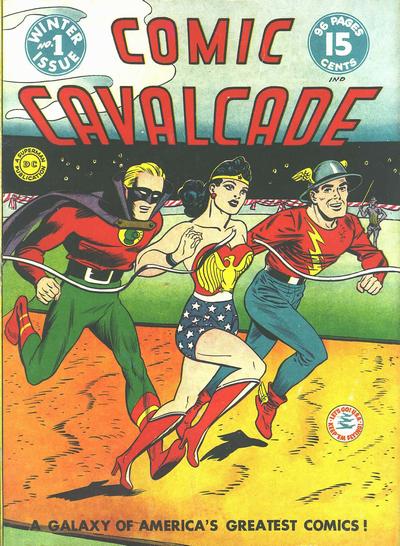
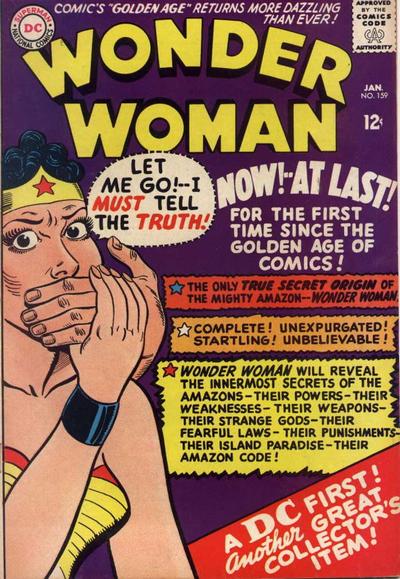
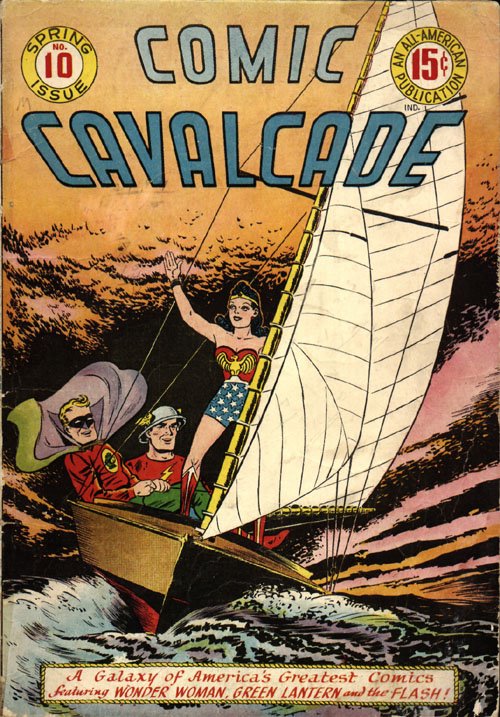
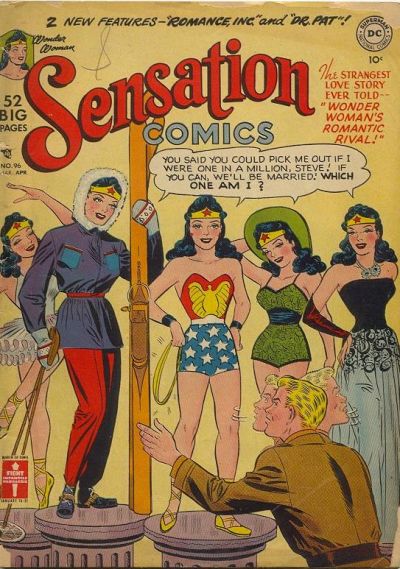
    You are thinking to yourself, “If only I could find that nerdy, self-important, academic type who has a passion for Wonder Woman and a blog that suggests a slightly unhealthy obsession with me. Then, and only then, will my life be complete.”

    We have so much in common, like . . . um . . . er . . . You are on the news, and I watch the news -- sometimes.

    See? Soul mates! Text me!

Thursday, February 09, 2006

It's Still About Porn

Wow -- Writing about porn really increases one’s blog traffic.

Over the past couple of days, I learned something important: We gay boys take our porn very seriously. Reading the comments and e-mails over the last post, I found most articulated a striking relationship to porn, whether they agreed with me or not. Even some who put forward the argument that we shouldn’t take porn that seriously seemed ready to come to fisticuffs to defend their side.

It should come as no surprise, I can talk about porn all day. Alive or not, that horse begs for another beating.

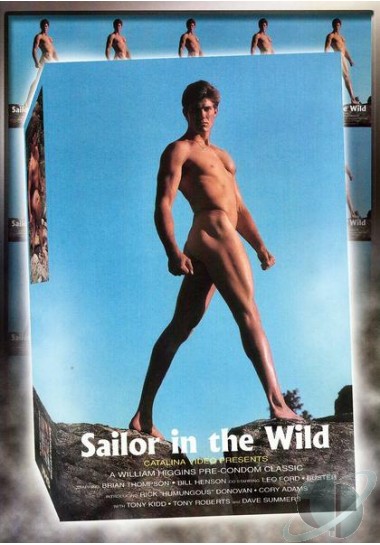
I love all my queer brothers (with the singular exception of the ex, who gets nothing). It distresses me, therefore, that some felt I wanted to dictate their desires. Whatever makes an individual happy is cool with me. Let me be clear that I don’t think watching SeanCody or other porn films is tantamount to treason against the gay cause. If this was the case, I would be the queer-Benedict Arnold. Hey, I even like some elements of the classic porn films like Sailor in the Wild or the Gage films. Other elements of those films, however, make me squirm.

What I did intend to suggest is that we need to talk and think about the types of images we consume as queer folk. We don’t (and couldn’t) agree on everything. Nor does it mean that we can’t have our own internal conflicting visions.

Opting not to think critically about any form of media makes me extremely nervous. Yes, sometimes a cigar is just a cigar. Other times, though, a cigar is a phallic shaped object that suggests an oral fixation that developed during one’s childhood.

I agree with Jockohomo that the hetero/homo divide occurred relatively recently and only in particular places. Before the nineteenth century, most historians argue, people did not conceive of sexuality in these terms. Without a doubt, I also agree with the several commentators who suggested that some porn can serve as a type of resistance against that divide between hetero/homo. I am just not convinced that most of the porn organized around “straight” men does this type of cultural work.

Even with the recentness of the hetero/homo divide, we can’t forget that those of us in “Western” culture all grew up within that discourse and learned that the divide was immutable. We are, in other words, part of that historical specificity even as we try to undermine it. Our own ideas about our sexuality cannot be easily untangled from that dichotomy.

There is much gay men don’t have in common. We didn’t all grow up in the same place, with the same family structure, or the same class and ethnic background. Yet we do have a shared history nonetheless.

Throughout our lives, we grew up with the same unending messages about what it meant to have sex with somebody of the same sex. We all internalized at least some parts of these messages from mass media, our families, churches, and so on.

Whether gay porn leads social change or lags behind, I think, is not quite the issue. Rather, gay porn mirrors the anxieties, obsessions, and contradictions over how we are dealing with those internalized messages within our community. Almost daily, each one of us has to constantly re-rack the billiard balls of gender and sexuality that we learned throughout our lives to make sense of our place and identity. The fervent discussion on porn suggests that many of us feel tension and a conflicted relationship to gay porn.


Not all our porn is embarrassing and it’s not just irrelevant fantasy. True, some of it can be pretty darn silly – I mean, when was the last time you had sex in the middle of the Dallas Cowboy’s locker-room with three male cheerleaders and the quarterback?

Classic seventies gay-porn films, though, also testify to previous generations’ mobilization and demand to have images of queer desire. Rather than the banality of most modern gay porn, these earlier films (which, btw, weren’t the earliest, but that is another entry far from now) seemed to show genuine sexual lust and pleasure from the actors. Perhaps one of the reasons that these earlier films continue to have such a cult following is that they serve as type of scrapbook that records a bit of our collective history. Granted, it’s a triple-X scrapbook that we don’t always share with our neighbors. Still, it’s part of our collective scrapbook. During times when social forces attempted to conceal or deny these desires, these films provided individuals with acknowledgment and fulfillment, even if it was illusory.

Having conceded that form of resistance, though, does not erase the equally troubling elements of the films. Gay-porn shows tremendous contradiction. Even as they overtly celebrate the erotic possibilities of same-sex sex, they also uphold some of the most conservative views about gender roles in our society.

Tuesday, February 07, 2006

It's About Porn


Reading through various blogs often spurs me to rethink my assumptions about topics like gender, academia, and even sex. This type of prompting is one of the greatest things about the blog world that I have discovered over the past few months. Adam’s blog propelled me to reconsider queer theory’s relationship with the larger queer community, for instance.

Similarly, Joe of the ubiquitous Joe.My.God recently posted one of the smartest entries I have encountered. Joe raised important questions about self-loathing and the ways gay men perceive ourselves and what types of messages we internalize.

“But, GayProf, you promised us porn,” I hear you saying, “It’s right there in your title! When are we going to get to the porn? We love you, GayProf, because you give our daily lives meaning and purpose.” Okay, maybe you aren’t saying that last part – for now.

I want to think about gay porn, in particular, because it has such an immediate connection to ideas about our sexuality. And, hey, who doesn’t love gay porn?

It’s sexuality, after all, that defines and names our community; and it’s sexual desire that drives the porn industry. Few people, I imagine, buy Anchor Hotel for its stimulating character development.

We need to be more conscious, though, about the messages the porn industry sends us. Porn, more than any other type of media, both shapes and is shaped by our desires.

Yeah, straight porn has some serious issues as well, but some hetero-type can work out that mess on their own. GayProf can only write about what he knows – and he knows gay porn.

Issues of porn’s objectification and the ethics of voyeurism will have to await some other blogger as well. That’s not where I am going today (and there is only so much of a kill-joy I am willing to be) .

Rather, Joe’s ideas prompted me to rethink some of the dominant themes in the gay porn industry. In particular, two themes concern me: the emphasis on “straight” men and the recurring representation of rape as erotic. The two themes often intertwine and both ultimately undermine our community by enforcing dangerous visions of sex.

Many forms of gay porn actually start with the premise that gay men aren’t desirable enough for our sexual enjoyment. Rather, it’s straight men who become the alleged holy grail in gay eroticism. An entire genre of “amateur” internet businesses have developed around filming straight guys for gay consumption. One such site declares to its potential subscribers, “We’ve all seen them: those incredibly hot straight men.” It presumes that the unattainable straight men figures centrally in all gay men’s fantasies. How, oh, how can gay men be content without knowing what these straight boys do alone?

Fortunately for us, the site gives a solution by claiming that it offers “the chance to get to know these men in the up close and personal way you have always wanted to.” Why bother looking for gay men when we can spy on straight boys? Of course, most of these men’s straightness proves dubious beyond their porn appearances. That’s not the point, though.


Another site makes the claims even more bold. In their encouragements to pull out our MasterCard, they state:

    The college jock. The skater dude. The boy next door. The Big Man on Campus. The baseball god. The hard-assed punk with the six-pack abs and all those inked muscles. The handsome married fucker you fantasize about at work. The above-average Joe you meet on the street who’s so insanely hot –– and straight –– you think you couldn’t possibly ever have him . . . He’s that guy, but take heart, because he’s all yours.

The emphasis on straight men as “forbidden” in porn consumption only upholds the dominance of heterosexual men in our society. I am not saying we should never find straight boys attractive. We are gay men, after all, and are going to find men physically attractive regardless of their sexuality. There are also more of them than us -- allegedly.

There is a difference to me, however, between finding some men who happen to be straight attractive and eroticizing straight men. When straight men’s sexuality becomes the central element that we are supposed to find attractive I begin to get nervous.

More than simple tools of pleasure, porn plays a role in determining who is valuable and desirable in our social context. The “straight-cam” genre invites gay men into worlds where straight men always excluded us. Focusing on fantasies of the unattainable straight man promotes the idea that gay men are not worth watching have sex, much less actually having sex. Rather, being competent, sexy, and powerful means being straight (and usually white) in porn. These technicolor fantasies offer men who are no more gay than George W. Bush and we are supposed to lust after them.

Connected to this emphasis on straight men seems to be an equal inclination towards sexual violence in some gay porn. It’s not that I am opposed to S&M, if all parties are willing. Rather, I am concerned about a particular narrative arc that appears in many gay films.


Seventies gay porn often revolved around scenes of rape, even in the age of the Gay Liberation Front. “Classic” films like Kansas City Trucking Company or Sailor in the Wild frequently presented gay sex as being instigated by force or trickery. In a typical scene from Sailor in the Wild, an allegedly “straight” man shares a cabin with two men. During the middle of the night, he awakens to find his bunkmates having sex. He responds by verbally assaulting them and threatening to beat them. They respond by forcing him to have sex with them. In the end, he finds he enjoys himself.

Obviously, there are many problems with this type of presentation of gay sex. It sexualizes our own abuse and homophobia. When confronted by a straight man yelling “faggot,” I can guarantee the last thing I think of is giving him a blowjob. Under the logic of the film, though, this type of violence becomes sexually thrilling and even an invitation to sexual adventure.

Moreover, it reenforces the notion that gay sex is always involuntary and a form of punishment. Those who are penetrated in these types of scenes are also humiliated or made submissive. Gay sex becomes a weapon.

It isn’t just a bygone era of films that have these themes, either. A modern “amateur” site promises “straight guys, but goes one step further.” In this incarnation of the straight-cam, the site deploys “a gay but straight acting plant who encourages the straight victim to take the ‘turn.’ But they don't all take it lying down.” The language here seems significant to me. Again, we are presented with the idea that men need to be duped into having gay sex. Moreover, the man who consents to gay sex is a “victim.”

Too often, gay porn shows a gay man tied up or on his knees for some straight hominid, pleading to service him. These types of films send the message that gay men not only deserve to be abused, but actually want it. What’s most troubling is that these images are consumed by gay men.

Gay porn can and should be transgressive. Yeah, okay, it’s main purpose is stroke material. I understand -- I am not an idiot (or sexually dead). There are many things to look at to get us off, though. We can be more attentive to what we purchase and the messages we consume during *cough* personal moments with our DVD players and computers.

By the clearer light of day, we ought to desire erotic images of gay men who are fearless, brilliant, and desirable. We should, in other words, want men “like us.”

Gay porn differs significantly from straight porn because it has a greater potential to undermine the existing gender hierarchy. Gay porn can valorize sexual difference. Same-sex symmetry in gay porn means that greater possibilities exist for undermining predetermined assumptions about sex and power. It can overturn, for instance, culturally defined meanings of the relationship between inserter and insertee. Rather than reinforcing social domination, gay porn can make the ambiguous and egalitarian erotic.

Sunday, February 05, 2006

Princess or Satan's Daughter?


I live in the tarnished buckle of the Bible Belt. After four years here, few things about ultra-conservative Evangelical Christians surprise me. Church signs that claim my folk will burn for all eternity rarely register anymore. Half-crazed preachers standing in the middle of campus spewing venom don’t appear unusual. The local competition to see how many Jesus-fish one can attach to a car bumper no longer seems ominous.

Early in the semester, though, I went for a walk to the Student Union building. My search for a chocolate product and caffeine became derailed when I saw a new banner hanging from the ceiling of the Union’s main walkway. This area often has the standard banners created by student groups to attract new members. One sees calls for fraternity rushes, soccer practices, and Klan drives (otherwise known as Republican Party registration).

On that fateful day, however, a banner appeared with such supreme novelty that I was left speechless. Bold, but crudely painted, letters proclaimed:

    I am a Princess Because Jesus is My King


This banner pulled off some neat tricks by drawing together seemingly unrelated and irreconcilable discourses. For me, the creator of this banner had quite the set of ovaries. She ignored historical Jesus' messages of humility. Instead, this woman envisioned her religious beliefs aligned with, and even validating, the current image of a consumer princess.

Let me offer some truth in advertising. I consider myself spiritual and believe in higher powers in the cosmos (karma and all). Still, Jesus as the whole-son-of-god thing doesn’t really work for me. Don’t get me wrong. The historical Jesus had some noble ideas and hung out with a cool crowd. He liked to kick it with prostitutes, the poor, rock stars, etc. My guess is that he probably spent a bit too much time in the desert sun, though, which explains his vision of being part deity.

I offer this disclaimer because it should be clear that I have nothing particularly vested in the Christian message. I also don’t disparage those who do sincerely believe. It just doesn’t work for my view of the universe.

Yet this banner suggests just how askew U.S. Christianity has become. Most of the campus religious groups use religion to form a sense of individual identity through messages of moral superiority. There seems to be a twenty-first century version of the Gospel of Wealth emerging. This scheme links together material wealth and spiritual authority. Aspiring to the privileged, self-indulgent world of the rich is fine because the rich are the rightful beneficiaries of God’s blessings. One can ignore the poor, the sick, and the starving as long as one gives lip-service to an abstract Jesus.

For these folk, God exists only to grant them wishes. Let’s call it the I-Dream-of-Jeannie version of God. If they pray for a higher test score, God will grant it to them. If they want a new BMW, a few extra prayers at night should take care of it.

What’s disturbing is that this vision of Christianity eliminates these folk’s agency in their own life and obligation to their fellow humans. Working hard for those test scores or BMW becomes unimportant. They need not take personal responsibility for their actions or commitments.

Thus, the banner’s creator can think herself clever by playing on the modern meaning of “princess” as a spoiled brat with her religious expression. Material success testifies to one’s Christian devotion. The poor, conversely, clearly don’t pray hard enough. How else can one explain the unequal distribution of wealth in the world?

Thursday, February 02, 2006

As Close as I Will Ever Be. . .


Since I am not teaching this semester, keeping a regular daily routine challenges me. I am supposed to be thinking big thoughts and researching or something. Had I known that I would be dealing with the whole break-up thing, I probably would have delayed my research-leave so that I could have a bit more structure to my days. Whatever. It’s cool. I am a tree. I can bend.

Going to the gym offers the most consistent scheduled activity for me these days. Also, given I find myself single these day, I feel I should at least attempt to be fuckable.

My relationship to the gym has long been complicated. Part of the appeal of an academic job was that it did not require a lot of heavy lifting. Paying money, therefore, to go to a place devoted to lifting heavy things always struck me as wrong. These days, however, I find that I --*shudder*-- like going to the gym. This shocking realization led me to wonder why.

At first, I thought it had to do with getting my brain into an endorphin-induced coma. Let’s face it, though, the modern pharmacy can provide a better mix for your sweet cerebellum than anything from the gym.

Perhaps, I thought, it had to do with the gym providing a space to zone out and not have to think about much. So, for instance, while on the treadmill I don’t need to ponder an evil-ass-idiot president who attacks gay folk to inflate his own sagging poll numbers. Nor do I have to consider the long-term implications of the center of our government being a zone where free-speech does not apply. Not having to think about these things makes the gym a good escape.

Really, though, I had an epiphany about why the gym appeals to me: It is the only space where I can secretly pretend to be a superhero without looking totally insane. Hear me out.

Going to the gym starts with me dashing into a new set of clothes from my regular work wear. Yes, like changing from my secret identity of a mild-mannered college professor, I put on things I wouldn’t normally wear out of the house and special shoes. Gym clothes can be way over the top and nobody seems to notice or care. There are lots of stretchy nylon fabrics and flowing shorts. No, I don’t wear spandex like most superheros (nobody needs to see that). In many instances, however, I am nerdy enough to wear t-shirts with superhero emblems (Green Lantern, Flash, Captain America (fyi, I wear the last one with a sense of irony)).

When feeling like a queer superhero, I toss on some pro-gay-agenda shirt. If I am going to have delusions of grandeur in the gym, I might as well make it political by wearing a F*ck Homophobia shirt (with the asterisk replaced with the Texas Lone Star) or two men stick figures holding hands Yeah, some crusty assistant, assistant, assistant manager tried to get in my face about these, but that just made me wear even more of them. Besides, we all know that it’s the gay boys who keep most gyms afloat in the long term. I digress.

Once in my superhero duds, I venture out to conduct momentous tasks. I lift things much heavier than I ever imagined. Once I finish with that, I run much more than I really should. Thanks to the ipod, I have my own theme music. If I position my headphones properly, I can even pretend they are a golden tiara.

To end my workout routine, I save some hunky men from certain disaster. Well, okay, maybe not that last bit. It could happen, though. -- What? It could.

Tuesday, January 31, 2006

Suggestions for Well-Meaning Texans


I like well-meaning people and appreciate people who intend to be nice to me. I really do. So I don’t want this post to come off the wrong way. My gravitas should not be confused with bitchiness.

Though I complain about Texas a great deal (and there is a great deal about Texas to complain about), most of the local people around here try to be good folk. This makes me happy.

Still, the shelteredness of small-town Texans leads even the best to be sometimes clueless when they encounter an out-gay man. Here are some helpful suggestions for Texans who don't know many gay men:


    Don’t ask me to help you with choosing skincare products.

    Don’t ask me if I know the hip place in town to get your haircut. More than just being a stereotype, it is actually a sore issue with me. There isn’t a hip place to get your haircut in this god forsaken town. I am relegated to going to HairBarn (I know, my gay membership is in jeopardy, but that is another entry).

    No, I didn’t see last week’s episode of Will and Grace. No, I don’t think it shows progress toward social equality.

    No, I didn’t see last week’s episode of American Idol. Yes, I do think the judges are homophobic.

    No, it's not easier or safer to be in the closet than out.

    Don’t recount every encounter you ever had with random gay people as an attempt to show that you are not homophobic. If you haven’t had gay friends before me, it’s not likely we are going to be instantly close.

    My recent breakup is not just like a divorce. It is a divorce. We spent eight years married (I admit I can’t push this point too damn far given that the ex decided that he had no obligation to live up to his marriage commitments to me. Still, even if he forgot what he promised, we were married).

    Jokes about me being the “gay divorcee” are neither original nor funny.

    Remember I have more interests than being gay or gay sex. Granted, not many more, but I do have some.

    Don’t ask me why gay men buy so much lube. We just need it, okay.

    Fighting for social equality isn’t one of many different political concerns to me. Voting to defend gay people is not the same as voting to add new parking spaces downtown. It is a concern rising from the deepest part of who I am and how I will be able to live and work in this city/ county/ state/ nation/ world.

    Don’t ask if I had sex with women “just to make sure.” Have you tried sex with somebody of your own gender just to make sure?

    Don’t ask me to tell you who is “secretly” gay in town. I know, but if they want to tell you, they will. Gossiping about them only makes it harder for gay folk to be out.

    Don’t ask me to judge your dancing ability. I lack this talent myself, so why would I be able to help you?

    Don’t tell me how hard it must be for me to live here as a gay man. I am a gay man and I live here. I already know how hard it is.

    I am not interested in what your minister/priest/father-confessor said about gay people last Sunday.

    Don’t compare the gay rights movement today to the African-American Civil Rights movement of the fifties and sixties. The gay rights movement also existed in the fifties and sixties. It’s not new. African Americans are still fighting for social justice today. It's not over. While we are on the subject, some gay men work/ed in the African-American Civil Rights movement. Some African Americans work/ed for the gay rights movement. They are different, but overlapping, things united in their quest for social justice.

These are just some thoughts so we can all get along in the Lone Star State. I feel better, don’t you?

Actually, maybe this post does seem too bitchy on reflection. Really, I do appreciate kind Texans. To be honest, anytime Texans don’t burn a cross in my yard, I am grateful.

Friday, January 27, 2006

A Queer Theorist Loves You


Adam, a cool blog author in Dallas, recently had a post on Queer Theory that put my little gears turning for a bit. At different times, I asked colleagues to come in and jiggle my head when I got stuck.

In particular, I worry about the obfuscating language of queer studies and its relevancy for public debate. This is made worse by some queer scholars who intentionally make themselves opaque in order to seem smarter. “What?” You ask, “An academic who pretends to be smarter than he/she is? Get out!.” No, it’s true. It happens.

As a result, a divide sometimes exists between those of us who teach queer studies and those engaged in public debates about sexuality. This is ironic (and it is a real irony, not a fake Alanis Morissette irony) given that queer studies developed with a specific intention of taking academic research directly to the politics of the state. Now, though, we seem a bit adrift.

Let’s take one of the reigning queens of gender studies/queer theory: Judith Butler. Those of us in the academic world worship at the altar of Butler for her remarkable ways of challenging what we presume to be “natural” about men/women/sexuality. Without a doubt, Butler has proved she is one of the smartest academics in the U.S. She could be as close to an academic rock star as we have in this country.

Yet, the woman needs an editor like Cheney needs to stop eating red meat. Here is a typical Butler snippet:

    The redescription of intrapsychic processes in terms of the surface politics of the body implies a corollary redescription of gender as the disciplinary production of the figures of fantasy through the play of presence and absence on the body’s surface, the construction of the gendered body through a series of exclusions and denials, signifying absences.


Is this passage smart? Yes. Is it clear and easy to understand? Oh, hell no. Don’t look for Butler on Oprah’s booklist anytime soon.

I know every field develops a specialized language. Certainly I would not be able to pick up the most recent chemistry journal and be able to decipher it. For the humanities, however, we have an obligation to make our work and teaching relevant. I also think certain queer scholars have allowed theory to cloud their recognition of actual queer people’s day-to-day lives.

Queer Theory has some valuable pieces to add to the public debate on sex and sexuality. At its most basic elements, Queer Theory starts with the presumption that modern sexual categories (e.g. gay/straight or homo/hetero) are historically recent and culturally specific. Therefore the political and legal decisions based on those categories become suspect and should be challenged. Enforcing these categories is an act of power that limits people’s erotic and romantic options. These elements of queer theory allow us to reconsider the ways we think about sexuality and the possibilities for sexual freedom.

On one side, some queer theorists have allowed their commitment to this intellectual exercise infringe on their approach to other queer folk. Many queer theorists disdain those who use homosexual desire as a means to organize their identity. They disparage attempts to build a movement based on “identity politics” as essentialism and denigrate urban “gay ghettos” as another form of the closet. These scholars claim to be on the cutting edge of intellectual and political endeavors, dismissing others as hopelessly parochial or deluded by heteronormative power.

On the flip side, some queer folk have disregarded queer academics as “egg heads” whose ideas have little relevance for the fight for social justice. Queer Theory gets pushed aside as “intellectual masturbation” with little relevance to the “real world” of queer life.

Neither of these things ultimately helps us. Queer Theorists have to start engaging with local circumstances and take seriously that they are not smarter than queer folk outside of the humanities. This may seem obvious, but you would be amazed at the number of people I have known who use their Ph.D. to bludgeon others.

Queer Theory gives us a particular vantage point to enter into public debates on sexuality, but not control them. If we take Queer Theory seriously and assume identities are contingent upon local and historical circumstances, than we also need to take seriously the means through which individuals resist and accommodate those identities in their day-to-day lives. We are often quick to look for resistance from historical figures, but too often assume collusion by our contemporaries.

I would also suggest that those who dismiss queer folk as being “tricked” by heteronormative standards wrongly assume their own immunity from societal and historical processes. Think of a circus performer who walks on his hands when in front of an audience, but really walks on her legs during the rest of day. So also queer theorists marshal their intellect to unpack the complicated processes that inform our assumptions about sexuality (which is good); however, in their daily lives they also face the same expectations and knowledge that brought all of us to our current identities. They might be better informed about the historical emergence of those identities, but it would take a unique individual to break free from the surrounding discourse that built their knowledge of self.

Those outside of the academic world need to reconsider their assumptions about Queer Theory. The U.S. currently suffers from a wave of anti-intellectualism that queer folk need not endorse. Setting aside the scholars who intentionally obfuscate themselves, Queer Theory has some powerful things to offer public debate. We should be cautious about both essentialism (one must do X and X to be queer) or about erasing queer folk’s differences with straight folk (we are all the same, really).

Sexual difference, under queer theory, actively disrupts assumptions about power and state and religious authority. Those who refuse to conform automatically call into question the legitimacy of structures that keep individuals from forming the types of relationships they would like (regardless of whom they actually want to end up with in bed).

Finally, because Queer Theory draws our attention to the ways that sexual identities have historically been constructed, it also draws our attention to our own possibilities for remaking the meaning of those sexual categories. We should no longer think the queer community as exists because of some accident of “nature” that resulted in our dissenting sexual practices. Instead, let’s think about the queer community as something through which we unite in order to protect and defend our ability to express our sexual dissent. Let’s make a real community by actively engaging and defending each other.

Wednesday, January 25, 2006

I Write Letters


This time of year brings tons of students to my door looking for letters of recommendation for graduate school. Unlike some of my colleagues, I never agree to write a letter for somebody whom I can’t say something positive about in my letter. Who wants to be such a negative force in somebody’s life? Most of my letters are positive and sincere.

Still, some letters require, shall we say, a bit more diplomacy. Blatantly plagiarizing this idea from a decade-old piece in the Chronicle of Higher Education (and who reads that rag?), let me give you what I write in letters of recommendation and what I really mean:


    What I write: This student approached history with an unconventional perspective.

    What I mean: Sometimes I was amazed this student could dress him/herself.

    What I write: This student distinguished his/herself during class discussions.

    What I mean: I barely remember this student ever taking a class from me.

    What I write: I recommend this student without reservation.

    What I mean: I recommend this student without reservation.

    What I write: I recommend this student.

    What I mean: I had reservations about recommending this student.

    What I write: With solid mentoring, this student will really shine.

    What I mean: This student will likely drop out of graduate school after a semester, but I thought he/she should have a shot.

    What I write: Never one to make a big splash, this student worked diligently throughout the semester.

    What I mean: This student has poor social skills.

    What I write: This student worked closely with several senior faculty members in our department.

    What I mean: This student was known to sleep with his/her professors.

    What I write: Though this student became a history major in his/her third year, he/she showed their commitment to the field.

    What I mean: This student failed at being an engineering major in his/her second year.

    What I write: This student expressed his/her creativity in writing.

    What I mean: This student was smart, but functionally illiterate.

    What I write: This student has remarkable writing abilities and could convey the larger themes of the reading.

    What I mean: This student could write but has never had a creative thought in his/her life.

    What I write: This student brought a unique perspective to class discussions.

    What I mean: This student never read any of the assigned books.

    What I write: This student has discussed with me his/her profound desire to attend your university.

    What I mean: I hope this student does not continue graduate education here.

Sunday, January 22, 2006

Job Search, V


My quest to leave Texas continues. For the past few days I interviewed at a university in the far Southeastern U.S. True, I haven’t been offered the job, but why let that stop me from fretting over wether it would be better to move or not? At the moment, making life altering decisions does not seem an easy thing.

On one hand, I like the idea of starting over. On the other hand, packing and moving can be a pain in the ass. On another hand, this new university resides in a solidly blue county rather than the dreaded red of my current county. On another hand, it is still located in the South (why can’t I escape?). On still another hand, this new town was about twice the size of my current location. On another hand, it is still not the urban space that I hoped to find myself located. As you can see, I end up with more hands than Ganesha.

There are many things that make me cautious. One of my mentors strongly warned against taking a job there even before I interviewed. He reasoned that it lacked the same prestige and resources of my current job. Still, I am not sure academic cachet is all that I want out of life. After all, I am not certain I made the best choice moving to Texas based on that criteria.

In terms of academic life, the new university did not seem remarkably different than my current post. Listening to the faculty sounded identical to the descriptions of my current university and department. It is in the middle of a major hiring frenzy and trying to build its humanities programs. The old faculty resisted change, but there are tons of young, hip faculty at the junior level who will soon control the department. They all conduct interesting research and show solid productivity.

Given my outness in the process, I found it a bit odd that they did not arrange for me to meet other gay faculty members currently employed there. Still, I doubt that it could possibly be more hostile than my current university. After all, while visiting I noticed the student-union promoting a drag show for later that evening. In contrast, it would not surprise me if the student-union here sponsored a lynching.

To be honest, the biggest selling point for this university would be its surroundings. If offered the job and I took it, I would be only forty minutes from the beach (two hours from a nice beach). Their claims that the town is the “Berkeley of the South” seem dubious; however, it clearly did have a funky art and music scene. I was impressed by the number of independent restaurants given the size of the town. Also, it had a vibe of surprising coolnees. True, it was a sleepy coolness, but definitely coolness all the same.

Unlike my current location, it also had natural beauty. Tons of ancient oaks covered in Spanish moss gave the town an eerie prettiness. Also unlike my current location, I did not see a single church sign attacking gay folk.

So, I will sit and wait to hear from them. All things considered, it might be surprisingly good for me to make a change.

Wednesday, January 18, 2006

Better Gay Living Through Science


I work for a university that conducts cloning experiments. Though one might not expect such abominations in the middle of the Bible belt, researchers here have quietly produced genetic replications of various farm animals. Far from the history building, these researchers toil in solitude in their secret lab. My fellow faculty members have cloned, or are about to clone, cats, dogs, cattle, and (I think) Lynn Cheney.

Since I find myself single these days, I have been thinking it’s time for the science folk to help me out. Why should I waste time looking when science can make a man to order? After all those years that scientists performed horrific experiments on gay folk (Yes, I am still angry about that), they owe us. While they are creating clones, I figure they could also tinker with the originals to make them perfect. Here are my requests:

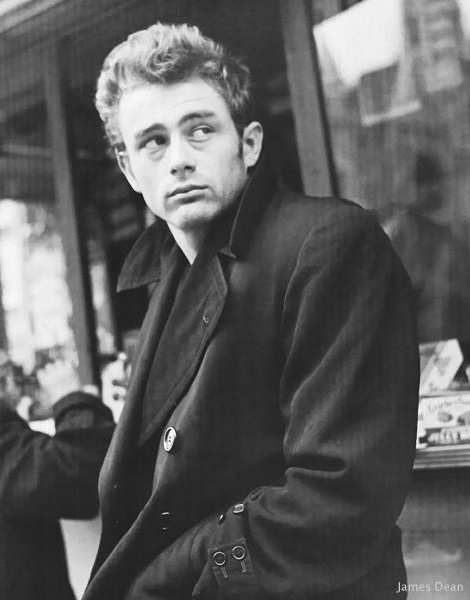
    James Dean

    Could there be a hunkier dead guy? True, Dean didn’t quite live up to his promise of leaving a good corpse having been mangled in a car wreck and all. Still, with the miracles of modern science, they can create a new Dean: better, faster, stronger.

    What Science Needs to Fix: While Dean long had a reputation of sleeping with men, he also had an annoying habit of occasionally sleeping with women. We will need to tidy up that little genetic blip if he is going to be right for me.

    Emiliano Zapata

    Alert readers know that Zapata made my stalking list not that long ago. What did I discover? Stalking the dead can be kinda boring. They never go anywhere interesting. Actually, they never go anywhere.

    With a new Zapata, however, my life could be rich and exciting, I am sure of it. The Mexican revolutionary wanted extensive reforms and advocated his own visions of social justice. I find his passion to the cause very sexy. His most famous battle cry stated: “Would you rather live on your knees or die on your feet?” All I can say is that I would spend some time on my knees for him. Wait – What did I just type?

    What Science Needs to Fix: Zapata seemed a bit short. Perhaps adding a few inches on the top wouldn’t hurt.

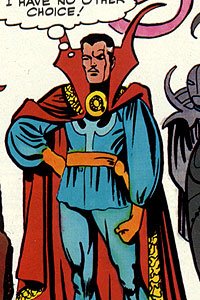
    Dr. Strange

    Until recently, I lacked extensive knowledge about Dr. Strange. He existed on the edges of the Marvel Universe: visible enough to be known, but never really fully developed. Beyond an occasional guest appearance on Spiderman and his Amazing Friends, though, he didn’t stand out. Thanks to a friend, I have caught up with the good doctor and am now totally devoted.

    Cloning Dr. Strange would fit me just fine. He has a strong commitment to karmic justice, appreciates knowledge, and he wears a long flowing cape. Plus, his whole amulet of power would be pretty handy for dealing with students. Didn’t read the text? Look deeply into the Eye of Agamatto and suffer your fate. Excellent.

    What Science Needs to Fix: Though not a genetic flaw, I hear that Dr. Strange can be a bit clumsy with his hands. Sorcerer Supreme or not, we will need to work on that.

    Montgomery Clift

    Credited with being a great actor of his time, Clift could draw an audience into an intricate web of emotion. Yeah, whatever. All I care about is that he would make excellent arm-candy. Plus, he had a reputation for being able to handle his, um, guns with great skill (See Red River or, to avoid the boring bits, the Celluloid Closet).

    I am talking about pre-accident Clift, people. I don’t want some zombie Clift with a ripped up face from that drunken car accident. Yeah, yeah, he still had acting talent, blah, blah, blah. Remember: ARM CANDY. Come to think of it, celebrities back in the day really could have benefitted from seat belts.

    What Science Needs to Fix: Clift didn’t live very long. I would like a tad more longevity for my investment.

    Me

    Early twentieth-century psychologists imagined homosexuality as an extreme form of narcissism. You know, I am kinda okay with that. Who would better match the temperament of GayProf than another GayProf?
    (This is the university's official file-photo of me -- I claim no responsibility for it.)
    Imagine the gravitas I could spread if there were two of me! Plus, all my clothes would also fit the other me. It would be brilliant.

    What Science Needs to Fix: I tend to be a bit neurotic, we should work on that. I might be too nerdy, we could tone that down. Maybe the gravitas would get tiring after awhile. Hmm, maybe I need to think about this some more.

Monday, January 16, 2006

Racial Progress?


In honor of Martin Luther King, Jr. Day, the Associated Press has been pushing a recent AP-Ipsos poll. With blazing headlines such as “Most Americans See Significant Racial Progress,” the AP promotes a romantic vision of U.S. history. Noting that three-quarters of respondents believed that racism in the U.S. had been almost banished, this type of pronouncement depends on our faulty common sense. “Hey, people aren’t enslaved anymore,” the AP seems to suggest, “so things must be better.” Media representations like these promote a self-congratulatory tone for the U.S. public.

Hold-up, though, we need to pay attention to the bits of the survey that the AP didn’t highlight quite so much. Yeah, I can grant that the end of slavery was a progressive move a century ago, but is that where we are stopping? According to the same study, over 66 percent of African Americans did not share the rosy view of racial progress. The AP didn’t break out the numbers for Latinos or Asians. Apparently the AP only thinks of “racial progress” as a black and white issue (please picture GayProf shaking his head in frustration).

So, basically we have a study that reports that people who are not affected by racism believing that racism is no longer a problem. Does this really show “progress?” Or does it actually connote a problem of indifference and ignorance amongst the general public about race and class in this nation? Meanwhile, the African American respondents seem to have some sense of racism still affecting their daily lives.

Here is a problem I often face in teaching my history classes. Many students presume that since they see a few African American and Latino faces in their classes, all the problems with racism have been solved. After all, they reason, segregation no long occurs because of legal measures. These students' day-to-day lives do not include images of racial or economic oppression. It’s, therefore, difficult to convince them that we still have much work to do in this country.

We have been falsely lulled into thinking that racism and segregation no longer have currency in our society. Sadly, this is far from the case. According to a 2003 study conducted by the Civil Rights Project at Harvard University, the U.S. is actually becoming more segregated over the past decade. In 1988, 44 percent of Southern African American public students attended schools that had a predominantly white student body. By 2000, however, that number had dropped to 31 percent and continues to fall.

Think it is just a problem with the dreaded red-Republican states? Not so fast. In blue New York, just 13.3 percent of Latino students and 13.6 percent of African American students attended white majority schools. Meanwhile, all across the nation, white students are likely to attend schools that have student-bodies that are over 80 percent white.

We don’t only see these issues in schools, though. People of color often report having friends outside of their racial groups. Whites, however, are less likely to report having meaningful friendships with others who are not also white.

Starting in the mid 1980s, economic restructuring has resulted in permanent unemployment or under-employment for many of the nation’s minorities. With manufacturing jobs disappearing from urban areas, only low-wage service jobs appear as options. These jobs often tend to be part-time, meaning employers have no obligations to offer health or retirement benefits. Because of the unequal access to education, minorities have fewer opportunities to attend college than their white counterparts.

Even within my beloved gay community, racism often appears unchecked. Along side personal ads that are anti-feminine are ads that contain the chillingly casual “no blacks, hispanics, or Asians.” My suspicion has always been that most people of color would not consider these toady folk worth dating anyway.

Racism has real life-and-death consequences in this country. Amnesty International conducted a statistical analysis of death penalty cases in the U.S. Whites and African Americans are as likely to be victims of homicide. The murders of whites, however, are six times more likely to face the death penalty. The human rights group suggested that the U.S. legal system puts a greater premium on whites’ lives than minorities (It goes without saying (but I will say it anyway) that GayProf does not support the death penalty under any circumstance).

So, what can we do? It seems to me that we need to stop engaging in the fantasies of U.S. history as a steady, progressive march toward equality. The past decade has shown some siginficant set-backs that we have to acknowledge if we are going to affect change.

As individuals, there is little we can do to overturn the current economic and racial structures of the U.S. We need, though, to not allow that reality to immobilize us. The most dangerous thing is for all of us to throw up our hands and say that social justice is impossible. We encounter injustices in our daily lives. What we can do as individuals is challenge the racism, sexism, and homophobia that surrounds us.

Saturday, January 14, 2006

Unfurl Something New


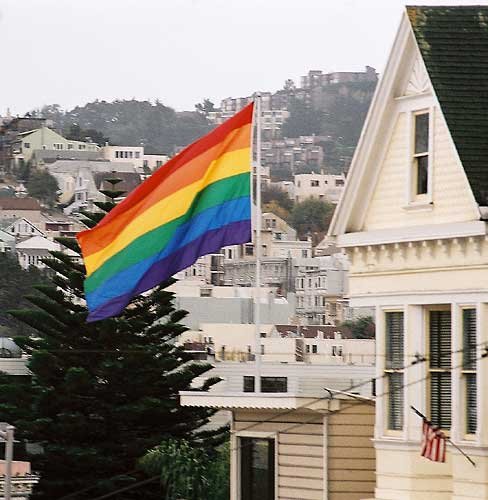
Hey, queer folk, we need a new flag. Don’t get me wrong, I appreciate the sentiment behind the rainbow flag (let’s call it rainsy, for short). It’s a groovy left-over from the late seventies when optimism still existed in the U.S. Yes, the seventies prompted people to think that we would soon solve our problems with racism, poverty, sexism, and homophobia and create a modern utopia. We all know those days are over.

According to legend, Gilbert Baker, our own little gay Betsy Ross, created the rainbow flag for a pride march in San Francisco. With nothing but a dream and a thimble, Baker sewed the first rainsy to connote the queer community’s diverse experiences. Each of the different bars represents sex, healing, spirit, nature, and . . . um . . . what were those other things? I think granola might be in there. Um, didn’t the pink represent Cher? Damn -- I forget the rest.


For almost thirty years, rainsy has flown over queer clubs and posh apartments in major urban areas. So, why do I want to drop it?

My dissatisfaction with rainsy is multiple. First, the rainbow lacks distinction. Many folk still don’t know that the rainsy is ours alone. Jesse Jackson used the same symbol for his Rainbow Collation. At least one hotel chain uses a similar flag on their buildings, and it’s not to attract a queer clientele. Even the Taco Bell flags seem suspiciously close to our flag.

Though I have no evidence, I have always been suspicious that the rainbow emerged from a love of Judy Garland. You know, as in “Somewhere over the. . .” Sure, the rainbow could represent our diversity (We won’t talk about the few queer folk who don’t want to think about racism within our community – that’s another entry entirely). Do we really want a symbol, though, that has as much subtlety as a United Colors of Benetton advertisement?

More than anything, though, rainsy simply isn’t angry enough for me. I want a flag that strikes fear into the hearts of evil Evangelical Christians. Make no mistake, the evil Christian folk consider themselves at war with us (not all Christians are evil, obviously, I am just talking about the evil ones). We need a battle flag. Something that will stop them cold in their tracks. Who has ever trembled at the sight of a rainbow?

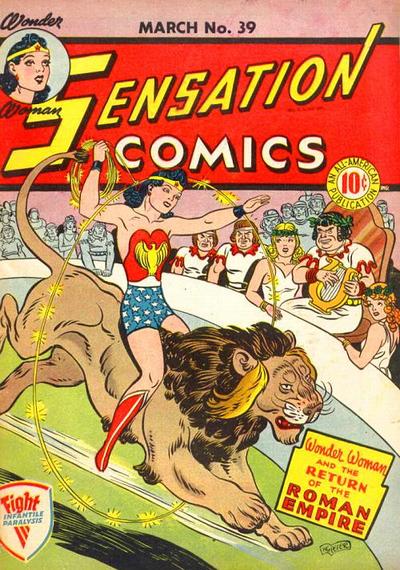
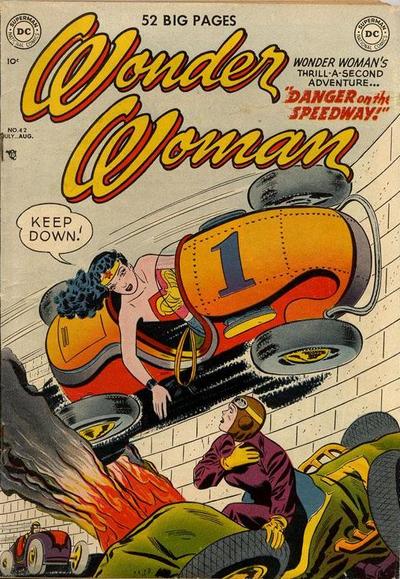
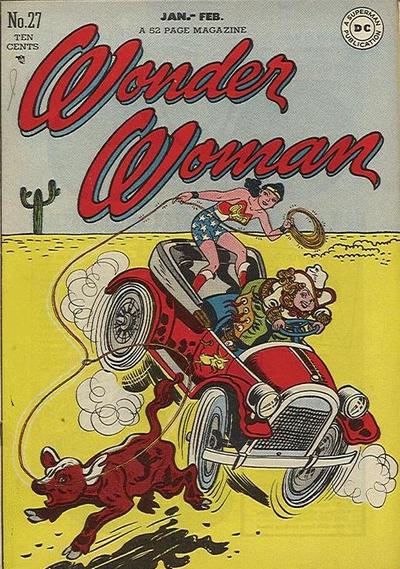
See, this is why we need a flag with a bit more aggression. How about a flag with a lumberjack lesbian wielding a chainsaw? Or how about a flag emblazoned with a drag queen wielding sardonic wit? I’ll leave it to the graphic artists among us to figure out how to represent that. Of course, I might be partial to a new flag with Wonder Woman kicking a homophobe’s ass. Who other than the Amazon Princess can satisfy both gay men and lesbians?

If those symbols don’t work, why not return to the Pink Triangle? Yeah, I understand the triangle’s connotations with death make it problematic. Nazi Germany created the Pink Triangle to mark gay men whom they imprisoned and murdered in concentration camps (lesbians did not often face persecution under Paragraph 175). Returning to the Pink Triangle forces all of us to face the horrors of the past. Men and women with queer desires faced persecution and often death throughout much of history. Yet, we continue to survive. Let’s remind the general public that we aren’t going to tolerate any more of that shit ever again.

When the war is over, maybe then we can return to rainsy. Until then, though, let’s get in touch with our angry side as we sharpen our swords and lift our shields.

Thursday, January 12, 2006

The Butch Side of GayProf


I harbor a dark desire. Sometimes I think I have it under control. When I least expect it, though, the unquenchable yearning returns and haunts my sleep. There have even been times where I bought magazines with glossy photos to try to curb my interest. It has taken some therapy to admit it, but I am hopeful that I won’t lose anybody close to me over this. Yes, my friends, I lust for a seventies muscle car.

Sure, it seems like everything in GayProf’s life is golden tiaras and pillbox hats. Okay, it’s mostly golden tiaras and pillbox hats. I also recognize that I am the first person to toss out accusations of compensation for men who drive giant-ass pickup trucks (and there are many of those in Texas). So, feel free to heap on the criticism of hypocrisy.

Still, the recent introduction of the Dodge Challenger concept car at the Detroit auto show brought out my hidden secret and gender sterotype. Let's be honest, though, it's s-w-e-e-t.


Let me clarify some things. I ain’t one of those skanky, anything-with-a-big-engine-will-get-me-going sort of queens. No, no. I am particular in my tastes and those tastes involve only Mopar. That’s why the original 1970 Dodge Challenger exists as the greatest car ever built. Ever. With either the 440 six barrel or the 426 Hemi, this car kicked some ass and looked cool doing it.
Don’t even try to talk about Ford Mustangs. Yeah, they had some style. Let’s face it, though, every model year of Mustangs proved a pile of mechanical crap. Their little anemic engines never did anything. Nothing touches the 1970 Dodge Challenger.


So, I would kill for the new Dodge Challenger. Well, okay, maybe not kill (karma and all). Still, I would contemplate inflicting some serious bodily injury for a Dodge Challenger. Perhaps my love of Mopar goes back to my first car (My parents were, and still are, slaves to the Chrysler/Dodge family).

Yeah, we always remember our firsts fondly. The feeling of awkwardness mixed with excitement. Sure, we tended to be clumsy with the wheel at first, but it ultimately felt so natural.

In my case, I had a 1975 Dodge Dart Sport in fire-engine red. As muscle cars go, it had a modest slant-six engine with three on the floor. It would blow away almost any car on the road today, though. I loved its tank-like qualities and A-body style.


One of my greatest regrets in life involved getting rid of it. At the time, though, it had the inexcusable sin of lacking air-conditioning. In New Mexico, with a black interior, that proved almost fatal.

I also hated that it required me to spend yet more time with my impatient father learning how to do mechanical things. Crawling underneath the Dart to change its oil was, well, dirty. I didn’t like dirty at the time. Like with house repairs, my father predicted with Cassandra-like clarity that I would want to know how to do these things in the future. Now, like so many things, I see the error of my youthful ways. How many other folk can claim to have replaced their car’s radiator? Yeah, that’s right, GayProf replaced the Dart’s radiator. What do you think about that? Man, I want that car back (here I get a bit misty-eyed).

In the end, sadly, my practicality wins out over the dark desires. Now I will get into my Honda Civic (four cylinders, with barely 135hp) and drive away.

Tuesday, January 10, 2006

Return From Philadelphia


All the good little historians have left Philadelphia taking with them another set of conference memories. We return to our universities and archives in our eternal quest to hide from the sun.

For me, the time away brought some good things. Dean proved a trooper of a friend. Not only did he indulge my arcane interests marching all over the city, but he rolled with my bouts of doubt and glumness. Keep in my mind, my normal gravitas warps time and space around me, threatening to consume everyone in its path like an intense emotional blackhole ( hey – everyone has their own special gifts, that’s one of mine). The past year’s events haven’t left me exactly happy-go-lucky, either. In the end, you can have one darn morose GayProf on your hands. Dean showed his understanding and was a great friend.

My interview went fine and resulted in a request for an on-campus interview. It is another southern university, though, so I am not sure I would really be doing myself many favors. When I asked them about the atmosphere for gay and lesbian students, for instance, they responded, “Well, it’s getting better.” Hmmm. Then again, it’s not in Texas. . .Why aren’t there any jobs for me in really cool places?

I also had some meals with other friends who happened to be attending the conference. On my last night, a couple took me to an Afghan restaurant. This was good because I never had Afghani food before that evening. It’s about what one would expect: a cross between Indian and Middle Eastern – very tasty.

In terms of Philadelphia as a city, I can’t say it left me stunned and amazed. Certainly it proved flimsy competition for the greatest of all U.S. cities, IMHO: Chicago.

Philadelphia had one of the greatest divides between the very pretty and the horribly ugly I have seen. The average folk must have been hiding. About a quarter of the people I passed on the street exuded an astounding beauty. Let me say I loathe the cruelty that I dished out in my own mind to the other three quarters. They seemed a bit tore-up in the grill. I don’t want to call them hobgoblins, but some clearly abandoned their post giving out riddles under bridges. I know – I can be a bitch.

For touristy events, I saw some of the usual suspects: the Liberty Bell, the first Supreme Court Room, the First Congressional Meeting Hall, etc. I would have also seen the interior of Independence Hall, but I really, really, really needed to pee (We can talk about my small bladder some other time). Briefly I thought about finding a discreet corner, but somehow I imagine that the Federal Government frowns on people pissing on Independence Hall. I wrestled with how I could have made it into a political statement. It would have made a great headline: Gay Historian Relieves Self on Independence Hall in Call for Gay Relief. Or something like that. . .

I also saw Benjamin Franklin’s grave (he was short). Then I made a quick trek to Betsy Ross’ House. Who knew that Betsy had such a complicated and ample marriage life? I mean, we all knew she could sew like a spider, but I had no clue that she was also a Black Widow. Every few steps through the house you learned about some other poor Joe that she saw go to his grave.

By far, though, Zanzibar Blue won out as my favorite place of all Philadelphia. Before leaving Texas, a friend recommended I check out this jazz club. Normally I am not all that keen on live-music venues, but this place dripped cool. Passers by on the streets could feel the cool wafting out towards them and would stop to marvel at its goodness. The bartenders made excellent cocktails, a key component for me. The musicians had talent, but not pretension. Now if only they would open a Zanzibar Blue in East Texas. . .

Tuesday, January 03, 2006

Has Anyone Seen My Inner Light?


We have reached that time of year, kiddies. Yes, all the historians across the U.S. make a pilgrimage to some American city. This year, we will converge on Philadelphia. It will be four days of living in the past. Some will present their work, some will be seeking a job, some will be offering jobs, some will hook-up and knock boots. Some will do all of those things at the exact same time. Be sure to look for Snoop-Dog’s release of “Academics Gone Wild” in the coming year.

As for me, I am looking forward to spending time in a city I have never visited. Leaving tomorrow, I hope a change will do me some good. Perhaps I will adopt some Quaker beliefs while I am there. The Society of Friends always seemed so reasonable to me. Everybody works for social justice, guided by their inner light. Each member is equal to all other members as they work against hierarchy. Plus, I dig that whole radical pacificist thing.

I am also really looking forward to hanging with my new buddy Dean. Plus I arranged to have dinner with an old friend and coffee with another historian in my field. So between all of that and my interview, perhaps I will avoid the dreaded wall of shame this conference.

As a public service, here’s what to look for if you are in Philly and would like to start stalking GayProf (and let's be honest, who doesn't want to stalk GayProf?):


I'll keep an eye out for you behind the bushes, sweeties.

Thursday, December 29, 2005

What’s the Frequency, Kenneth?


I’m back from New Mexico and just waiting until I leave again for New Year’s. Time in my former home-state, as I mentioned before, usually does me some good.

Yet, I have one tiny complaint. When, oh when, did the radio in Albuquerque get to be so bad? My parents live in the mountains, so it is at least a thirty minute drive to see anybody/anything. Sure, I could have used that time for quiet contemplation, but I wanted some tunes, man. What did I find instead?

First, evangelical Christians seem to control forty percent of New Mexico radio. Next, that Spanish-language stations in New Mexico gear their stuff to mariachi rather than modern. Finally, Albuquerque must be filled with some easy-listening fanatics (I suspect it is all those Anglos who are constantly sunning themselves on rocks).

Basically, my drives into the city consisted of forty minutes of the following:

“. . .The first time ever I saw your face . . .”
*click*
“. . .Personal savior. . .”
*click*
“. . .Aye, aye, aye. . .”
*click*
“. . .John Tesh Radio Hour . . .”
*click*
“. . .Reborn in his greatness. . .”
*click*
“. . . De Colores . . .”
*click*
". . . Lady in Red . . ."
*click*
". . . Mi Rancho Grande. . ."
*click*
". . . God spoke to me in a wetdream . . ."
*click*
“Welcome to the all Bee Gees network. . .”

Auuuuuuuuuugh!

Tuesday, December 27, 2005

You Mean There's a New Mexico?


Santa came and left his gifties. Many good things came GayProf's way. Still, I did not get that golden tiara and bullet-deflecting bracelets I wanted -- Next year, Santa, next year.

I know I have blogged about it before, but allow me to repeat my love of New Mexico. At night, there have been thousands and thousands of stars. During the day, the sky shows its crystal blue color. D. H. Lawrence once wrote of this place, "In the magnificent fierce morning of New Mexico one sprang awake, a new part of the soul woke up suddenly, and the old world gave way to the new." Indeed, I feel my own soul returning to health.

Some might call my and Lawrence's love of New Mexico spiritual, some might call it silly. Whatever the case, I am devoted to my home. If that whole academic thing doesn't work out, perhaps I will become a booster for the state.

Other things, though, make me sad and worried about New Mexico's future. Each time I return, Albuquerque shows itself to be growing unwieldly. Driving to see friends and family, one can't avoid noticing the poverty that plagues many people's lives here. A tremendous gap appears between those with money and those without.

My fears also focus on the environment. Believe me, I suck when it comes to personal responsibility for helping the environment. Recycling seems like a noble dream, but I prove very lazy about it. I have to be careful, therefore, to realize I can't get too damn judgmental. Still, the massive development here threatens the scarce water that sustains all life here.

The rapid influx of new residents brings good things to the state, I recognize. New Mexico needs capital if it wants to survive. Still, I also fear that all this growth threatens our way of life. Over the generations, the people of New Mexico developed distinctive ways of viewing the world and approaching their day-to-day challenges. It kills me to see those things slowly eroded by the ever-encroaching U.S.

Perhaps there is much truth in the old expression: ¡Pobre Nuevo México! Tan lejos del cielo y tan cerca de Texas.